Authentication
David pre-signed a finite stock of sheets before his death; those are sold as exactly what they are, while they last. After that, estate editions carry David’s printed signature and the estate’s embossed seal. Rights & authenticity →
 David Edward Byrd Posters
Official Estate Shop
David Edward Byrd Posters
Official Estate Shop
The Estate of David Edward Byrd · Jolino Beserra, steward
David’s husband and partner of forty-three years runs the estate and keeps the posters in print from David’s own files. Start with his afterword to Poster Child and the 2026 addendum written for this site, then the book, the work, and the record.
Estate stewardship
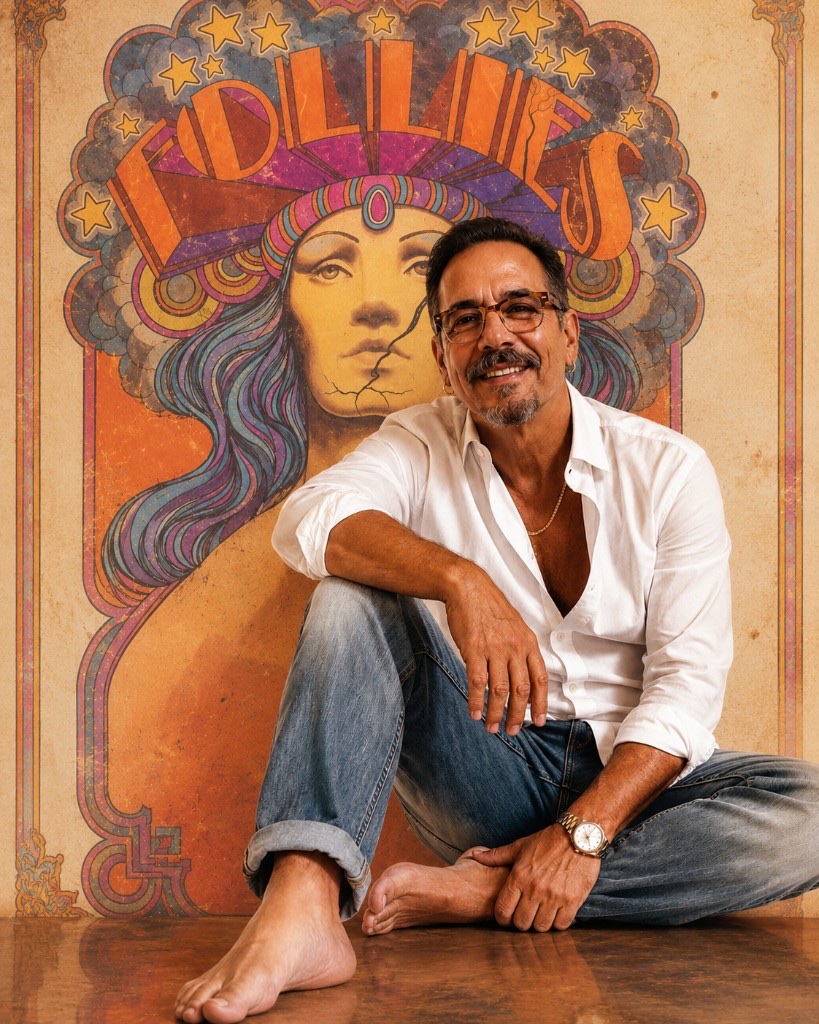
Jolino Beserra met David in November 1981, was his partner in Byrd/Beserra Studios from 1985, and his husband from 2013. When David died in Albuquerque on February 3, 2025, the last promise Jolino made him was to keep the legacy alive and build a better, more personal store. This site is that promise.
In his 2026 addendum to the Poster Child afterword, Jolino describes learning David’s computer and print workflow from scratch, organizing fifty years of poster files, and scanning each sheet as it came off the printer — seeing the work “with a whole new depth.” He calls David his Forrest Gump: present, with a hand in it, at Woodstock, the Fillmore East and Broadway. Read the afterword and the 2026 addendum →
David pre-signed a finite stock of sheets before his death; those are sold as exactly what they are, while they last. After that, estate editions carry David’s printed signature and the estate’s embossed seal. Rights & authenticity →
Every print is produced from David’s own masters — giclée on archival paper, most at 17 × 22 inches — with edition notes, dimensions and shipping stated on the product. Shipping & returns →
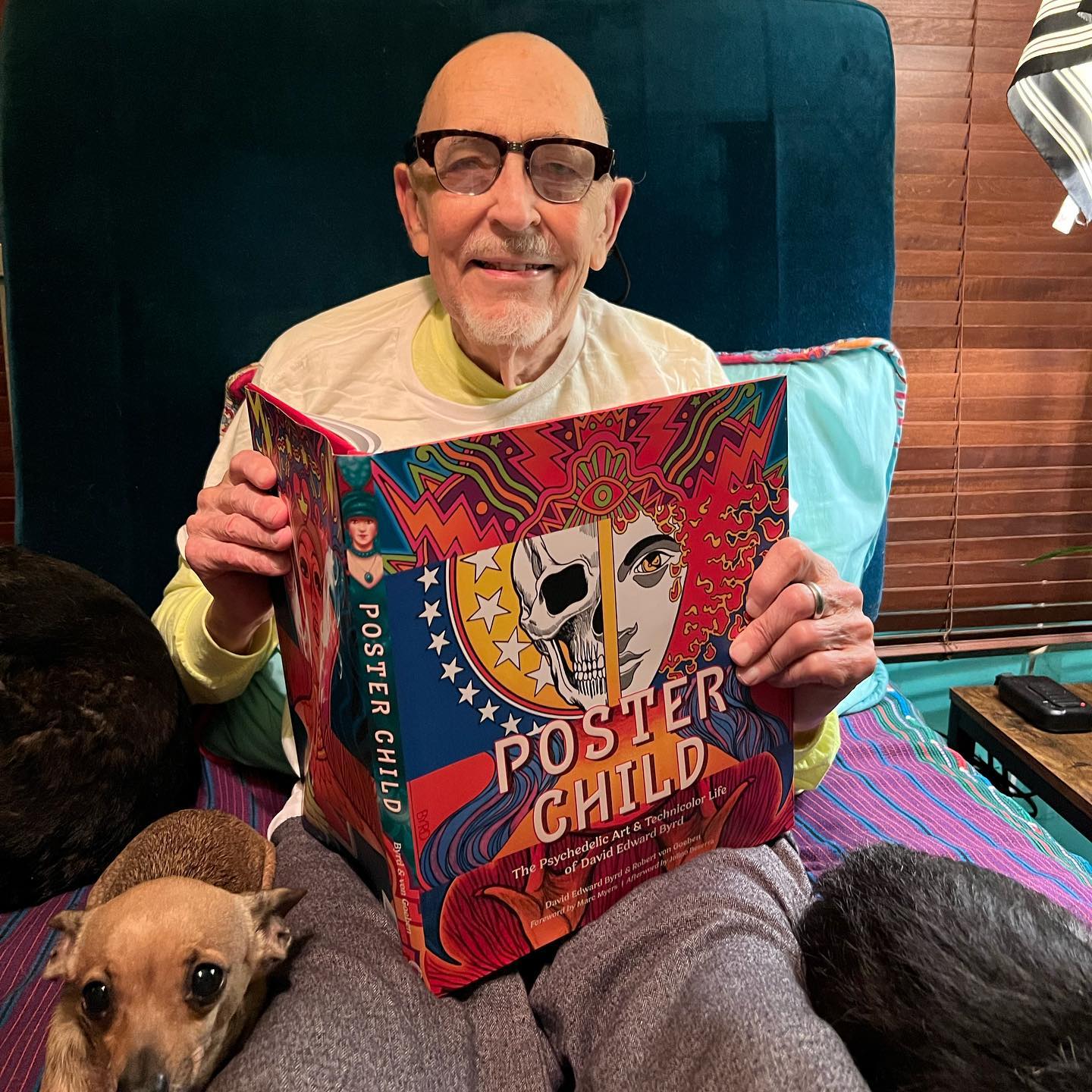
David always shipped stories with his posters, and wrote his life down in Poster Child (2023). The estate keeps that habit: the timeline, the press dossier and the photo archive sit beside the store.
From the book
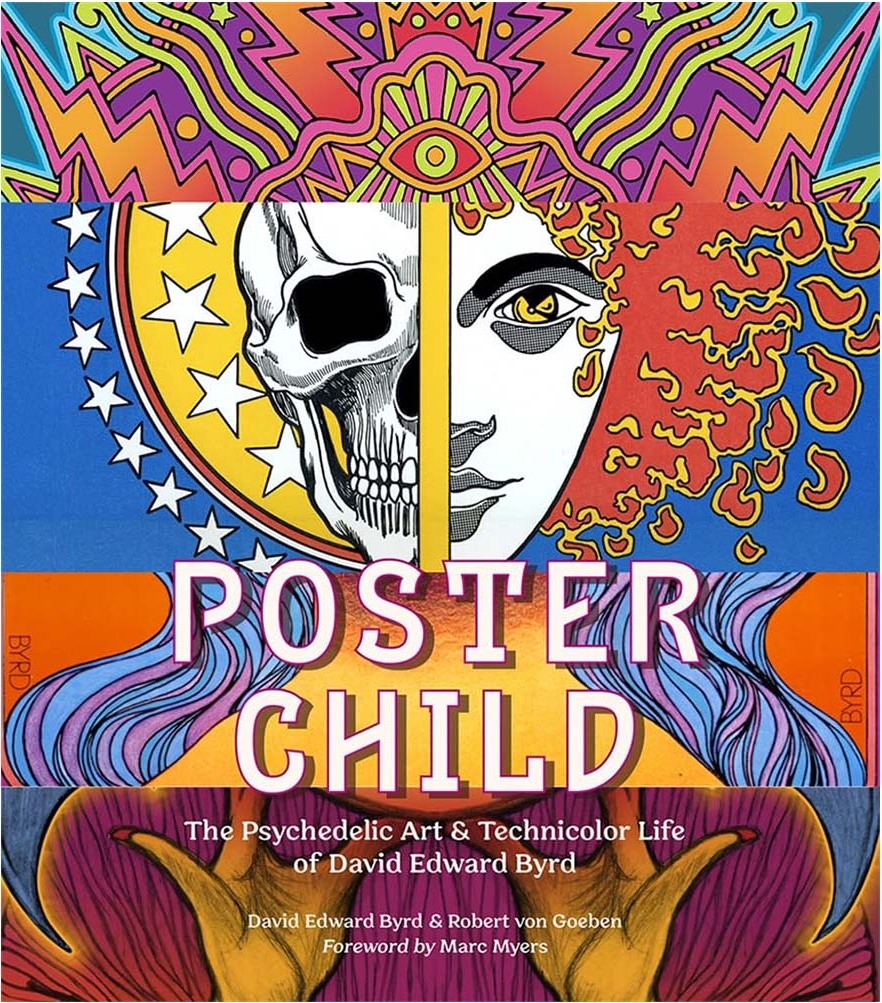
David’s autobiography — as told to Robert von Goeben, Cameron Books, 2023 — opens with a foreword, is carried by David’s own interviews, and closes with Jolino. The estate does not reproduce the book, but these are the doors into it.
The Wall Street Journal music writer and author of Anatomy of a Song places Byrd in the history of the concert poster — from 1950s R&B handbills through the 1966 San Francisco upheaval to Bill Graham’s Fillmore East — and explains what made the 1968 Hendrix poster different from everything around it. The book →
The coauthor’s account of how a pandemic trivia show turned into a biography: the star painting student who never studied graphic design, the phone call that led to Bill Graham, the free Follies sketch that beat fourteen paid artists, and a life that “has all the makings of a Hollywood biopic.” Life timeline →
How a design student met David in a Melrose Avenue bar in 1981, forty-three years together, and — in the 2026 addendum written for this site — what taking the helm of the estate has meant. Published here in full with the estate’s permission. Read the afterword →
The work
Fillmore East needed more than a schedule. Broadway needed more than title cards. Warner Bros. characters needed more than brand repetition. Byrd understood that graphic art could create appetite, glamour, memory, and mythology before anyone bought a ticket — and he did it for more than fifty years, from the 1968 Fillmore East posters to the Harry Potter style guides.
His own measure was modest: he wanted, he said, “to be remembered for at least one poster. Hopefully five.” The Hendrix Fillmore poster is in the Museum of Modern Art. Three of his sheets hung in the Smithsonian’s 1976 bicentennial poster show. The Follies cracked face has been on Broadway three times.
Fillmore East 1968–71, the unused 1969 Woodstock poster, the Rolling Stones’ 1969 tour, Hendrix, the Doors, Janis, Zeppelin, the Grateful Dead at Nassau, and the later tribute folio. Portfolio timeline →
Follies, Godspell, Jesus Christ Superstar, The Robber Bridegroom, Little Shop of Horrors, and thirty years of Broadway, off-Broadway and regional posters. Archive →
The Tommy “Acid Queen,” Lou Reed album art, The Advocate art direction, eleven years at Warner Bros. Consumer Products, and retrospectives at Ringling (2007), the Brand Library (2011) and Bethel Woods (2012). Life timeline →
Why the legacy matters
Byrd is not merely adjacent to famous names. The public record places him inside the image-making systems of Fillmore East, Broadway, album culture, gay publishing, Warner Bros., and museum-level poster history.